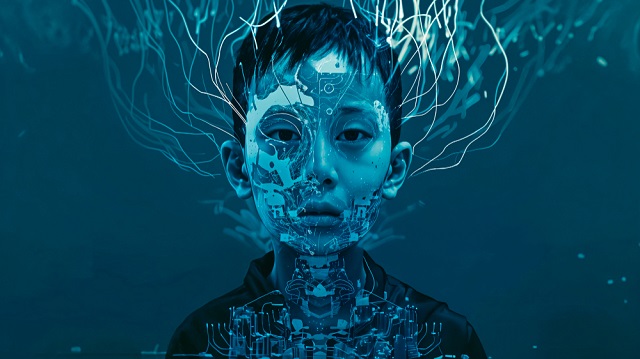
FROM HUMAN DEVELOPMENT TO YOGIC TRANSFORMATION
For Dr.(Hc) Piyush Goel, yoga began as a search for deeper balance, awareness, and transformation rather than simply physical fitness. His professional experience across sales, marketing, business development, training, and human development eventually converged with his extensive study of yoga across different traditions.
That intersection shaped his mission: to bring his experience in teaching and mentoring together with the traditional wisdom of yoga.
Through Trinetra Yoga – SE Asia, Piyush has developed an educational vision focused not merely on postures and certification, but on helping practitioners understand the body, breath, mind, awareness, and deeper purpose of yoga.
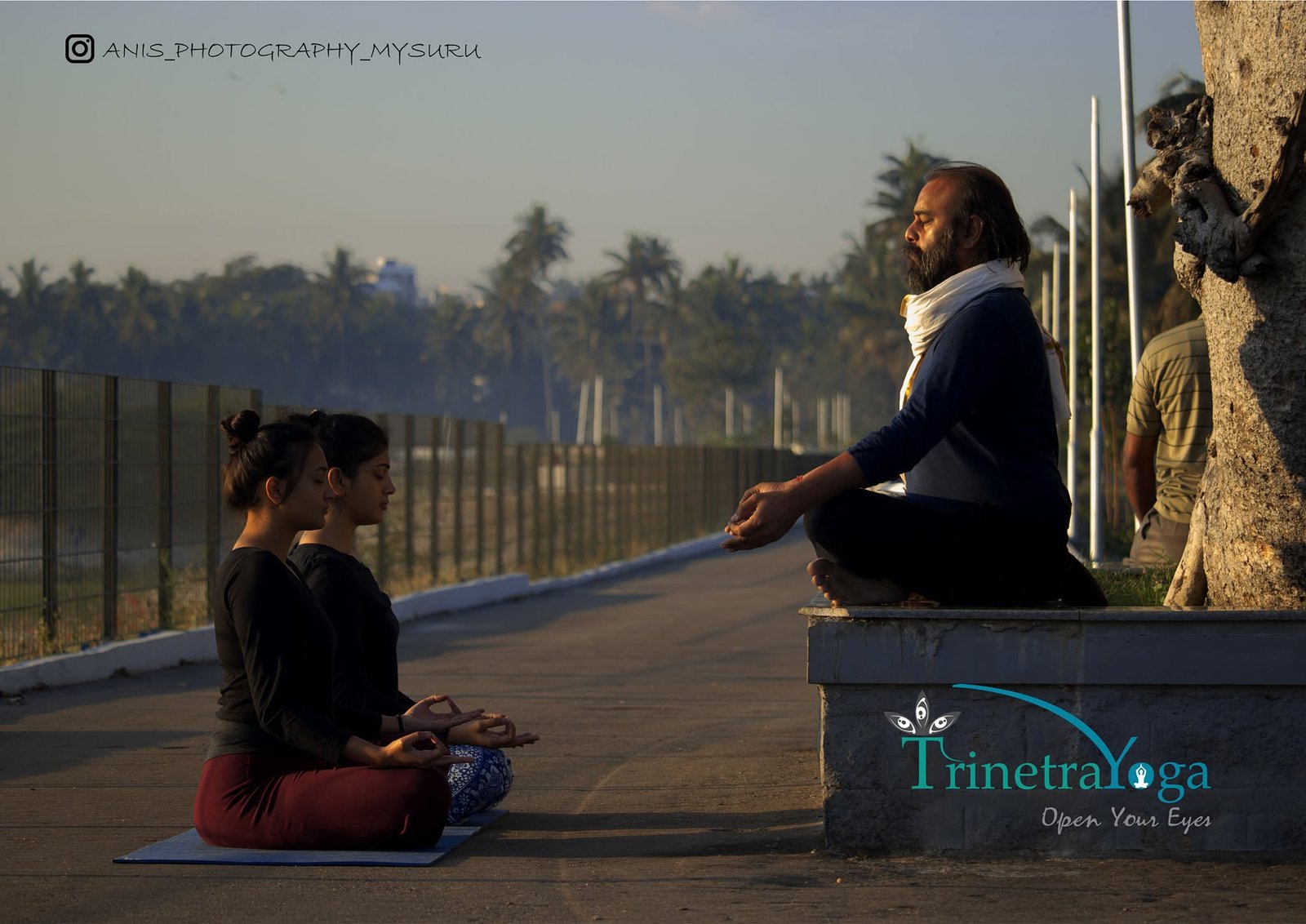
“Yoga is not merely a physical discipline; it is a comprehensive system for developing the body, mind, awareness, and the way we live.”
A MULTIDIMENSIONAL APPROACH TO YOGA
With nine international yoga certifications spanning Hatha Yoga, Ashtanga Yoga, Pranayama, Meditation, Transformational Yoga, and Pre-natal Yoga, Piyush brings an integrative perspective to yoga education.
Hatha Yoga shaped his understanding of alignment, discipline, breath, and awareness. Ashtanga deepened his appreciation of consistency and progressive practice, while Pranayama and Meditation strengthened his understanding of the relationship between breath, mind, and inner awareness.
His Transformational and Pre-natal Yoga training further reinforced his belief that teaching must respond to the individual rather than impose a fixed approach.
For Piyush, authentic yoga education develops not simply technically capable practitioners, but responsible teachers who understand the principles behind their practice.
PRESERVING THE ESSENCE OF HATHA YOGA
As a Grandmaster – Hatha Yoga, Piyush believes Hatha Yoga must be understood as more than physical exercise.
Traditional Hatha Yoga integrates asana, pranayama, concentration, meditation, awareness, discipline, and yogic philosophy. Contemporary adaptation is possible, he believes, but not at the expense of the practice’s purpose and integrity.
Teachers therefore have a responsibility to explain not only how a posture is performed, but why it is practised and how yogic principles extend beyond the mat.
“Tradition and evolution can coexist, provided we do not lose the principles, purpose, and integrity of yoga.”

THE DISCIPLINE OF ASHTANGA
His experience with both the primary and secondary series of Ashtanga Yoga has strengthened his belief that transformation comes through consistency rather than occasional intensity.
Ashtanga develops patience, discipline, concentration, resilience, and self-observation. Repeated engagement with breath and movement allows practitioners to recognize physical limitations, mental patterns, and emotional responses.
For Piyush, advancement is not simply measured by performing difficult postures. It is reflected in how deeply practitioners understand themselves and how the practice influences everyday life.
“True progress is reflected in how deeply we understand ourselves, how consistently we practise, and how the practice changes the way we live.”
BUILDING A GLOBAL YOGA EDUCATION PLATFORM
As Founder/President, Trinetra Yoga – SE Asia, Piyush’s vision is to make authentic, comprehensive yoga education accessible to sincere practitioners while maintaining the depth, discipline, and integrity of traditional yoga.
His objective is to create an educational environment where yoga is explored as a complete system encompassing physical practice, breath, meditation, philosophy, self-awareness, and personal transformation.
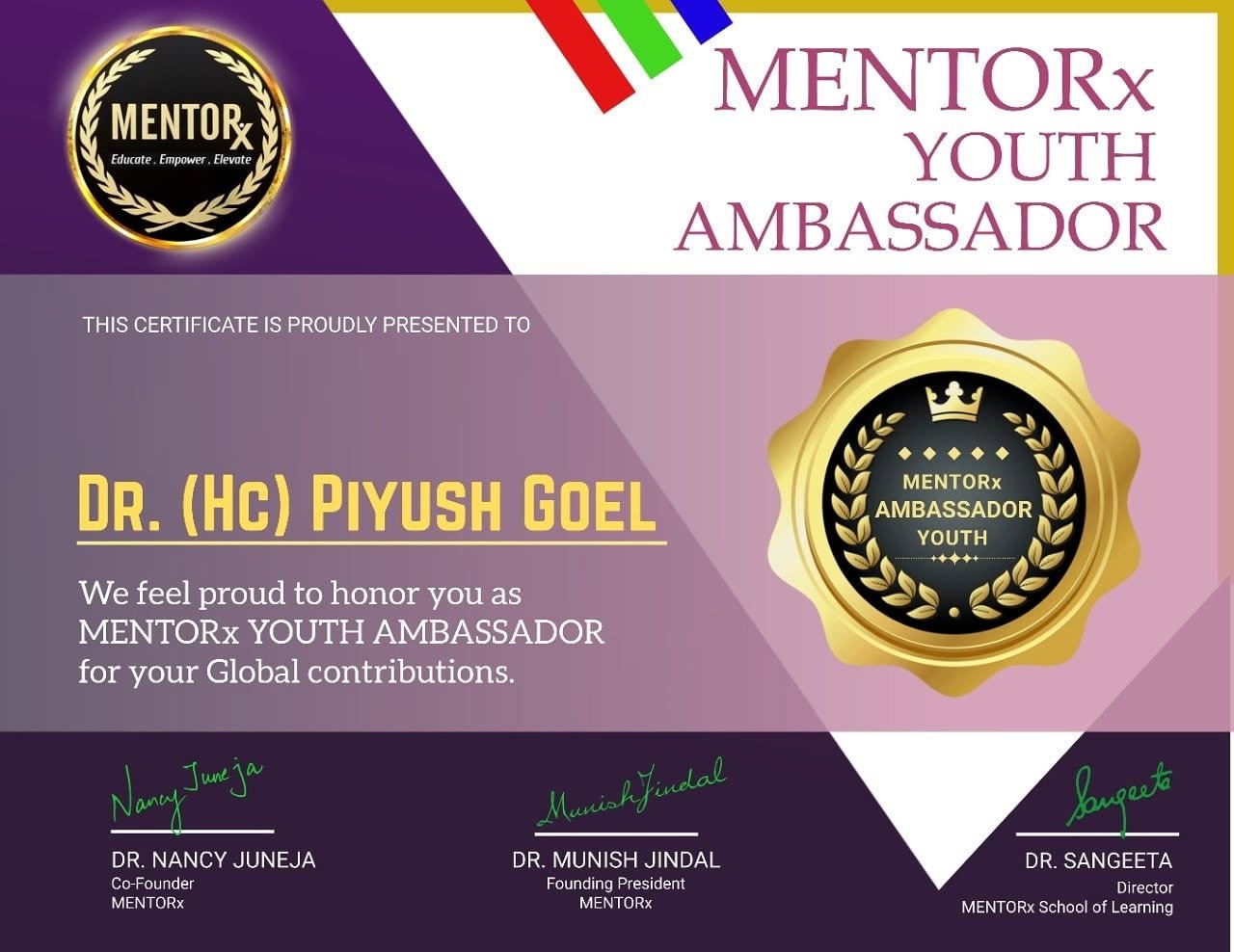
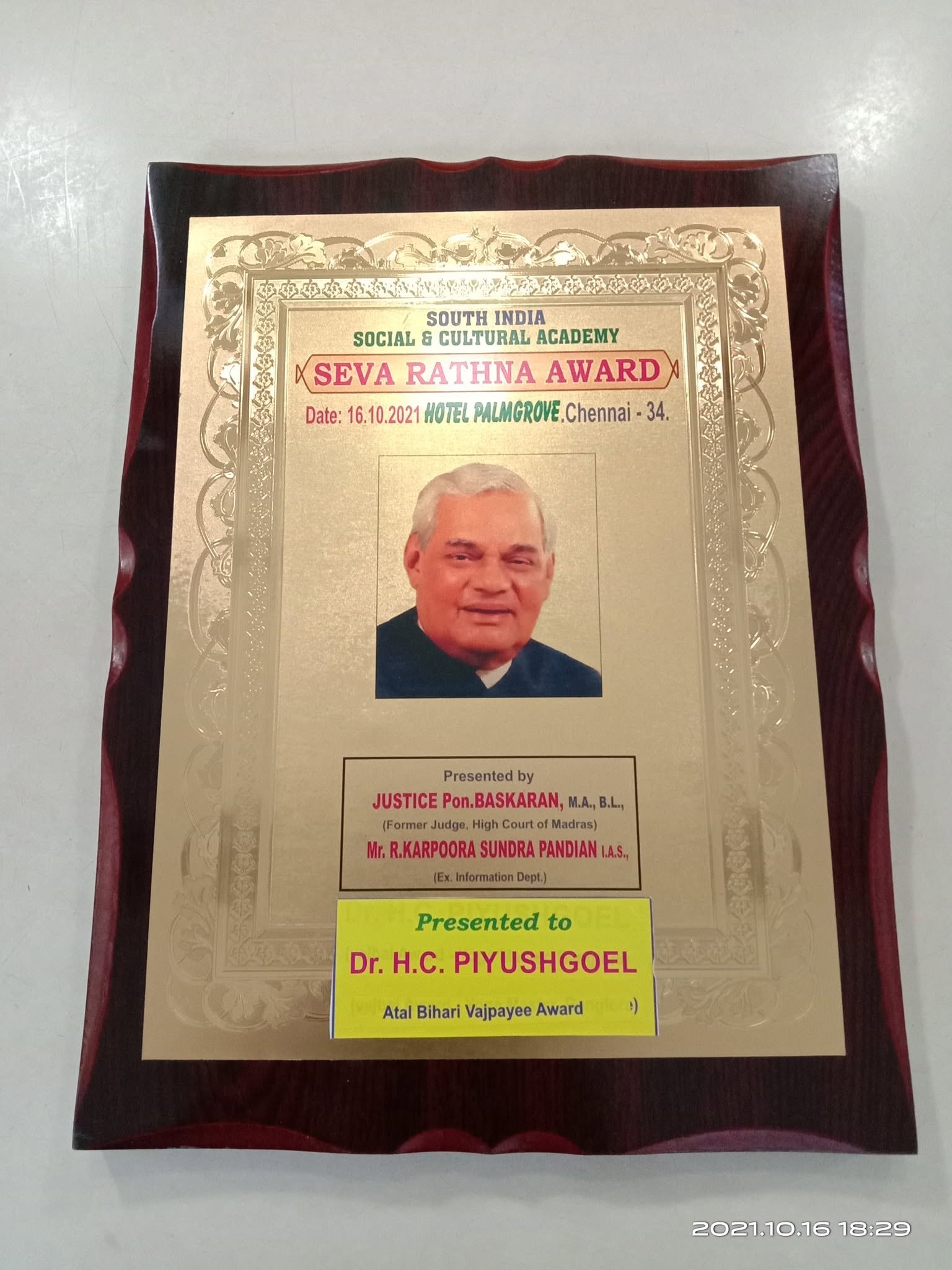
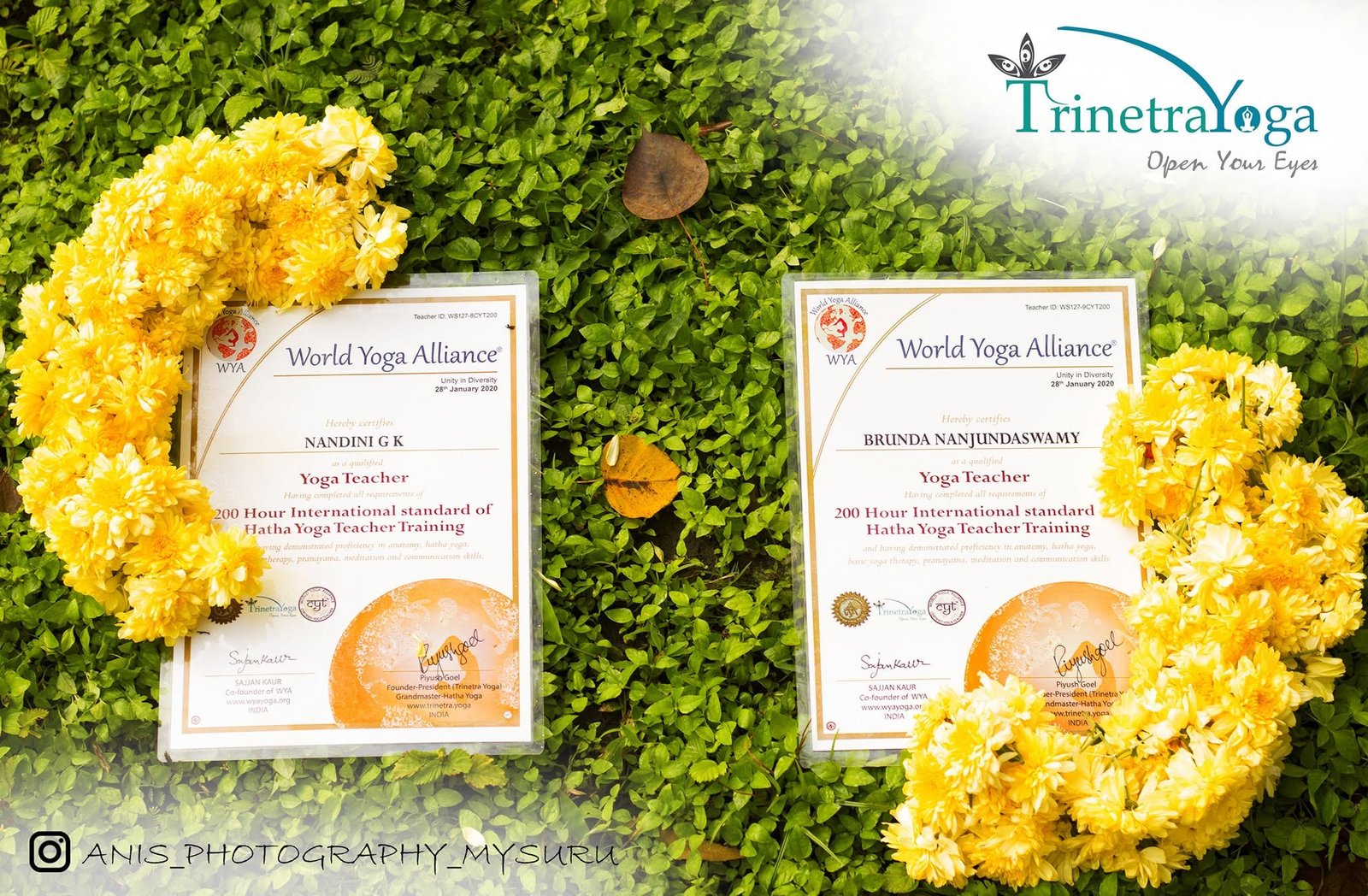
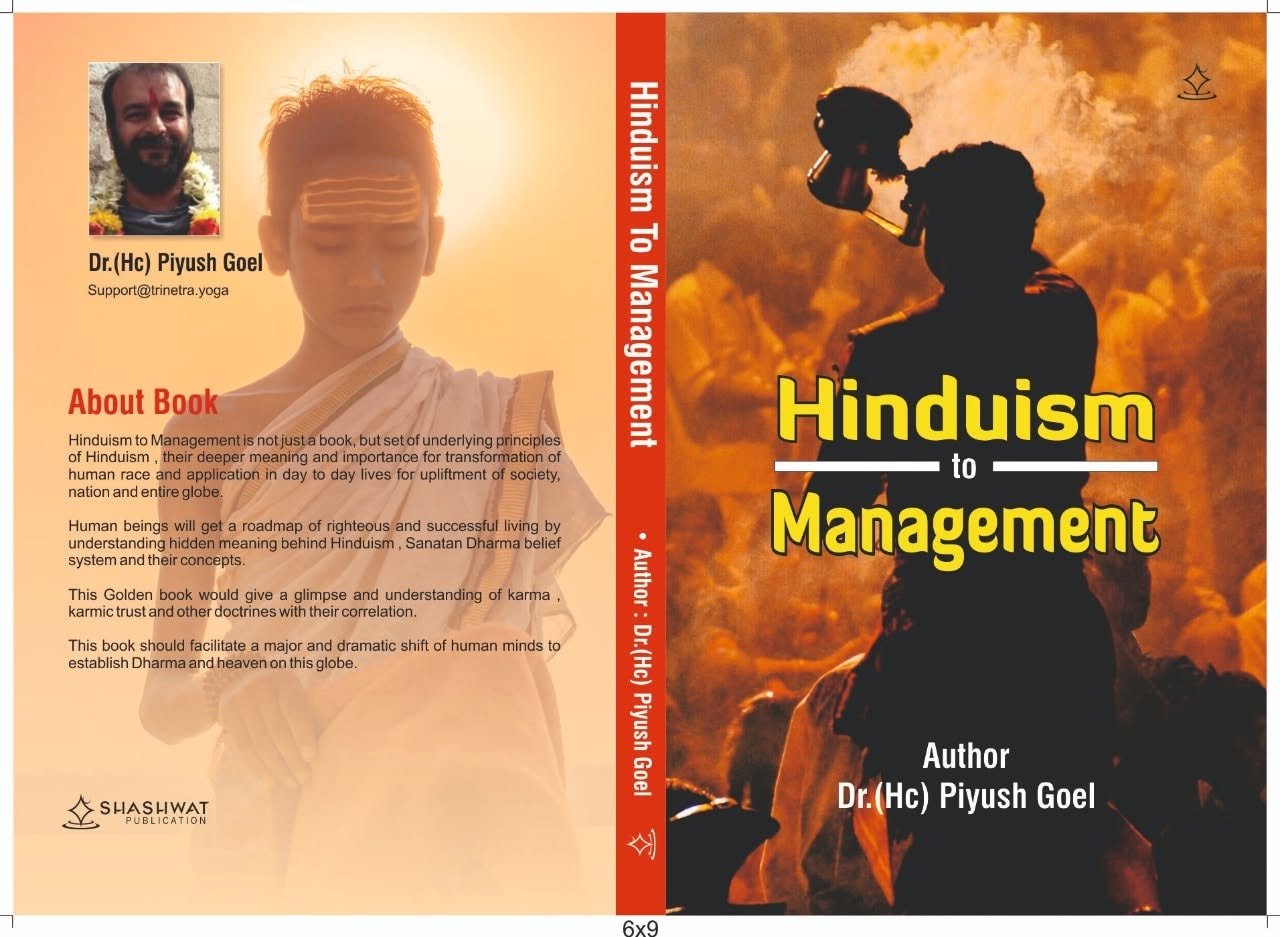
With Trinetra Yoga affiliated with the World Yoga Alliance, his approach combines internationally oriented education with respect for authentic yogic knowledge.
Students from different countries and cultural backgrounds may approach yoga with different expectations, yet Piyush believes their deeper aspirations are often similar: greater health, balance, awareness, and meaningful personal transformation.
His vision is therefore to build a bridge between traditional yoga wisdom and the needs of the modern world.
BODY, BREATH, AND MIND AS ONE JOURNEY
Piyush integrates Meditation and Pranayama into yoga education rather than treating them as separate techniques.
Asana prepares and steadies the body, Pranayama develops conscious awareness of breath and vital energy, while meditation cultivates observation and understanding of the mind.
He emphasizes responsible instruction, particularly in breathwork, where individual differences, preparation, and appropriate technique must be respected.
His objective is to help students experience yoga as an integrated journey in which body, breath, and mind continuously influence one another.
RESPONSIBLE YOGA FOR EVERY STAGE OF LIFE
His expertise in Pre-natal Yoga reflects his commitment to individualized teaching.
Pregnancy requires practices adapted to changing physiological and emotional needs. Piyush emphasizes individual assessment, stage-appropriate practices, comfort, awareness, and appropriate healthcare guidance.
Qualified instruction should create a supportive environment rather than encourage physical achievement, allowing yoga to support body awareness, relaxation, conscious breathing, and confidence.
For Piyush, responsible yoga education means recognizing individual needs and teaching within the appropriate scope of expertise.
TRADITION IN THE DIGITAL AGE
Technology is expanding access to yoga through online learning, digital resources, recorded practices, and virtual teacher-training platforms.
Piyush believes, however, that technology should remain a tool rather than replace the teacher. Yoga is experiential, and teachers need to observe practice, understand individual needs, and provide appropriate guidance.
He therefore sees the future of yoga education as hybrid technology can expand accessibility while in-person learning preserves observation, human connection, and experiential depth.
“Technology can take yoga knowledge farther, but it cannot replace the human relationship through which that knowledge is experienced and embodied.”
AUTHENTICITY IN A GLOBAL YOGA LANDSCAPE
As yoga continues to expand internationally, Piyush believes accessibility and innovation must remain balanced with authenticity and responsible teaching.
For him, globalization presents both an opportunity and a responsibility. Modern technology can bring authentic knowledge to people who may never have had access to it, but teachers must ensure that yoga is not reduced to a collection of physical exercises or commercial products.
Teacher education therefore needs to encompass asana, pranayama, meditation, philosophy, ethics, and the principles underlying the practices.
Authenticity, in his view, does not mean rejecting modernity. It means carrying the essence of yoga into the modern world without distorting its purpose.
A LEGACY OF AUTHENTIC YOGA EDUCATION
Looking toward 2026 and beyond, Piyush’s ambition for Trinetra Yoga – SE Asia is to build an internationally respected platform for authentic, comprehensive, and responsible yoga education.
He wants students to become lifelong learners rather than simply certificate holders continuously practising, questioning, and refining their understanding.
His ultimate measure of success is not the number of programs conducted or certifications awarded, but the practitioners and teachers whose lives become more conscious, balanced, and purposeful.
His philosophy is ultimately simple: preserve the depth of yoga while making its wisdom accessible to a changing world.
The future of yoga education belongs to those capable of carrying traditional knowledge forward responsibly without allowing modernization to diminish its essence.