The Ripple Effect: How the Strait of Hormuz Conflict is Rewiring Small and Medium Businesses
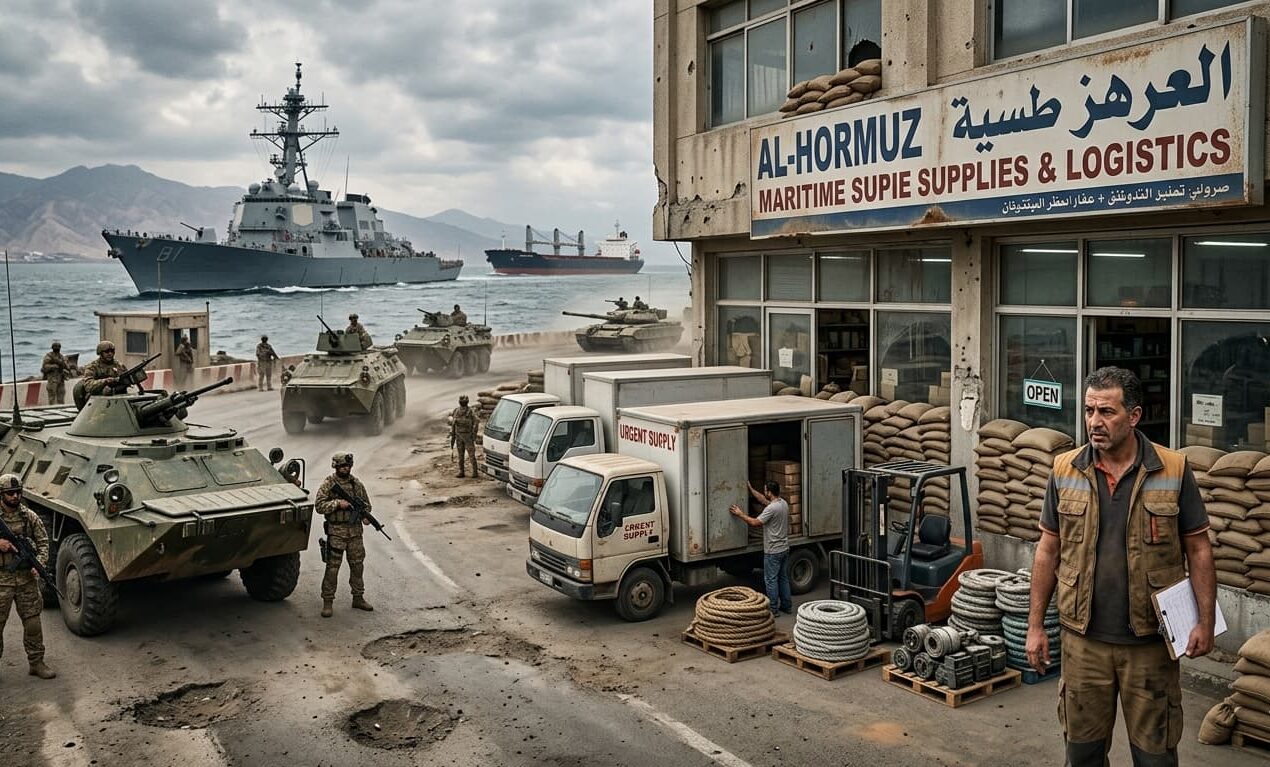
When a geopolitical fault line fractures—like the sudden blockade and fragile truce in the Strait of Hormuz—the immediate headlines focus on aircraft carriers, global oil barons, and macroeconomic panic. But the true seismic impact is often felt thousands of miles away, rippling through the loading docks, storefronts, and balance sheets of Small and Medium Businesses (SMBs).
While multinational corporations have the capital to absorb massive shocks, SMBs operate on thinner margins. The fallout from this conflict is not a temporary blip; it is a catalyst that will fundamentally reshape global trade and local commerce for years to come.
I. The Long-Term Macro Effects on the Business Landscape
The disruption in the Persian Gulf is accelerating structural shifts in the global economy that will permanently alter how SMBs operate.
- The Energy Shockwave is Pervasive: The most obvious impact of a disrupted Strait of Hormuz is the skyrocketing price of oil and natural gas. However, for SMBs, this doesn’t just mean higher fuel costs for delivery fleets. Petroleum is a base component in plastics, packaging, fertilizers, and countless manufactured goods. The baseline cost of doing physical business will rise across the board.
- The Death of “Just-in-Time” Inventory: For decades, businesses relied on hyper-efficient, lean supply chains. The pandemic exposed the cracks in this model, but the Hormuz crisis shatters it. Ocean freight insurers are hiking premiums for Middle Eastern routes, forcing ships to take longer, safer paths. Delivery times will become erratic.
- “Friend-Shoring” and De-globalization: Global trade is fracturing along geopolitical lines. Suppliers in unstable or hostile regions will be deemed too risky. There will be a massive, long-term shift toward near-shoring (moving production closer to home) and friend-shoring (sourcing only from allied nations).
- Sticky Inflation and Tighter Credit: As energy and shipping costs rise, inflation will stubbornly persist. In response, central banks will likely keep interest rates elevated to cool the economy. For an SMB, this means the era of cheap capital and easy business loans is over. Expansion and bridging cash flow gaps will become significantly more expensive.
II. The Coping Mechanism: A Strategic Playbook for SMB Owners
Understanding the macro environment is only half the battle. As an SMB owner facing these headwinds, hope is not a strategy. You must pivot from a mindset of maximum efficiency to one of maximum resilience.
1. Transition to “Just-in-Case” Inventory
You can no longer afford to run your stock down to the wire.
- Action: Identify your top 20% of products or materials that drive 80% of your revenue. Increase your buffer stock for these critical items. It ties up more cash in the short term, but it ensures you have product to sell when your competitors’ shelves are empty.
2. Implement the “Rule of Threes” for Sourcing
If you rely on a single overseas manufacturer, your business is a hostage to geopolitics.
- Action: Diversify your supply chain immediately. For every critical component, aim to have three suppliers: one primary (likely your current most cost-effective option), one secondary (perhaps in a different global region, like Latin America or Southeast Asia), and one local/domestic backup. The local backup will be more expensive, but they are your insurance policy against a global shipping freeze.
3. Adopt Dynamic Pricing Models
In an era of volatile inflation, a fixed price list is a liability. If your material costs spike 15% due to an oil shock, absorbing that cost could wipe out your profit margin.
- Action: Move away from annual pricing updates. Implement quarterly or even monthly price reviews. Be transparent with your customers—most consumers currently understand that shipping and energy costs are volatile. Consider adding temporary “surcharges” rather than permanent price hikes to cover immediate freight spikes; these are easier to roll back if the market stabilizes.
4. Audit and Optimize Energy Reliance
Energy costs will remain a wild card as long as the Middle East is unstable.
- Action: Conduct a ruthless audit of your business’s energy consumption. This could range from upgrading to high-efficiency manufacturing equipment, optimizing local delivery routes using routing software, or even renegotiating your commercial utility contracts to lock in fixed rates before the market spikes further.
5. Build a War Chest
With credit becoming more expensive, cash is king.
- Action: Tighten your payment terms. If you currently allow clients Net-60 terms, negotiate down to Net-30 to improve your cash flow. Delay non-essential capital expenditures and focus on building a liquid cash reserve that can sustain operations through a multi-month supply chain freeze.