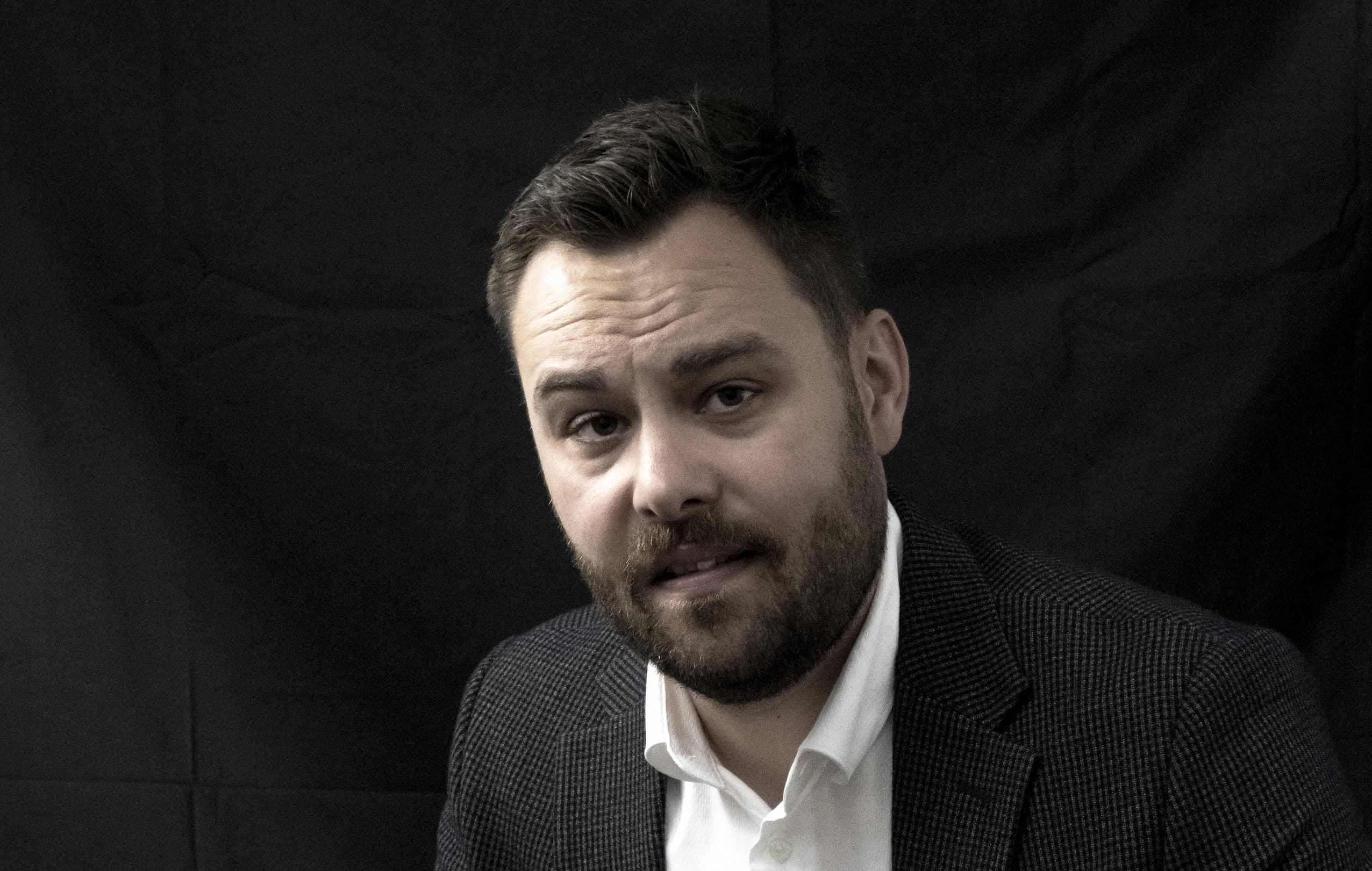
Most people assume their home is safe because it looks fine. No visible cracks, no obvious damp, no dramatic signs of structural failure. Jason Ratcliffe has spent years inside those apparently fine homes, and what he has found beneath the surface has quietly reshaped how he thinks about buildings, health, and the standards that are supposed to protect the people who live in them. As The Wellbeing Surveyor, Ratcliffe occupies a space that did not formally exist when he began his career: the intersection of building science and human biology, where the performance of a home is measured not in energy ratings alone but in the daily wellbeing of its occupants. His PhD research, his forthcoming book Invisible Home, and his growing public platform are all expressions of the same conviction: the home you cannot see is the one that matters most.
A PATTERN THAT COULD NOT BE IGNORED
Ratcliffe’s path toward becoming The Wellbeing Surveyor began not in a research laboratory but in the rooms of real homes, doing the kind of structural assessment work that trained surveyors are expected to do. What he was not trained to notice, and what he began noticing anyway, was the relationship between the conditions he was documenting and the lives of the people living within them. Damp, inadequate ventilation, overheating, the wrong material choices: these were categorised as technical defects. But they were also, plainly and consistently, affecting how people slept, how they breathed, and how they felt in the place they were supposed to feel safest.

The gap that struck him most was not between good homes and bad ones, but between appearance and performance. A home could satisfy every visual check and still be quietly working against its occupants at a level no standard inspection was designed to detect. That gap became the focus of his practice, and The Wellbeing Surveyor was the professional identity he built around bringing those hidden factors into view.
THE GOLDEN TRIANGLE: WHAT A HEALTHY HOME ACTUALLY REQUIRES
Ratcliffe defines a healthy home through what he calls the Golden Triangle: the balance between heating, ventilation, and insulation. When these three elements work together, a home can maintain good air quality, stable temperatures, and appropriate humidity without creating unintended consequences. When they fall out of balance, and they frequently do, the effects compound in ways that are difficult to trace and easy to misattribute.
The pressure to improve energy efficiency has driven significant investment in insulation and airtightness across the UK housing stock. But ventilation, the element that removes moisture, pollutants, and CO₂ from the indoor environment, has too often been treated as secondary. The result is homes that retain heat effectively while quietly accumulating the conditions that trigger condensation, mould growth, and deteriorating air quality. We are simultaneously spending more time indoors than any previous generation and living in homes less equipped to handle that increased occupancy. The Golden Triangle is not an aspirational ideal. It is a functional minimum.
WHAT YOU CANNOT SEE IS WHAT MATTERS MOST
The factors that most significantly affect occupant health, Ratcliffe’s observations, are almost always the ones invisible to a standard inspection. Indoor air quality sits at the top of that list. Volatile organic compounds emitted by building materials, carbon dioxide accumulating in inadequately ventilated rooms, moisture moving through a building in ways that produce damage long before it becomes visible: these are the conditions that drive headaches, fatigue, disrupted sleep, and aggravated respiratory symptoms in people who have no idea their home is the cause.
“The future of housing lies in balancing sustainability with human health creating homes that not only reduce environmental impact, but actively support wellbeing on a daily basis.”
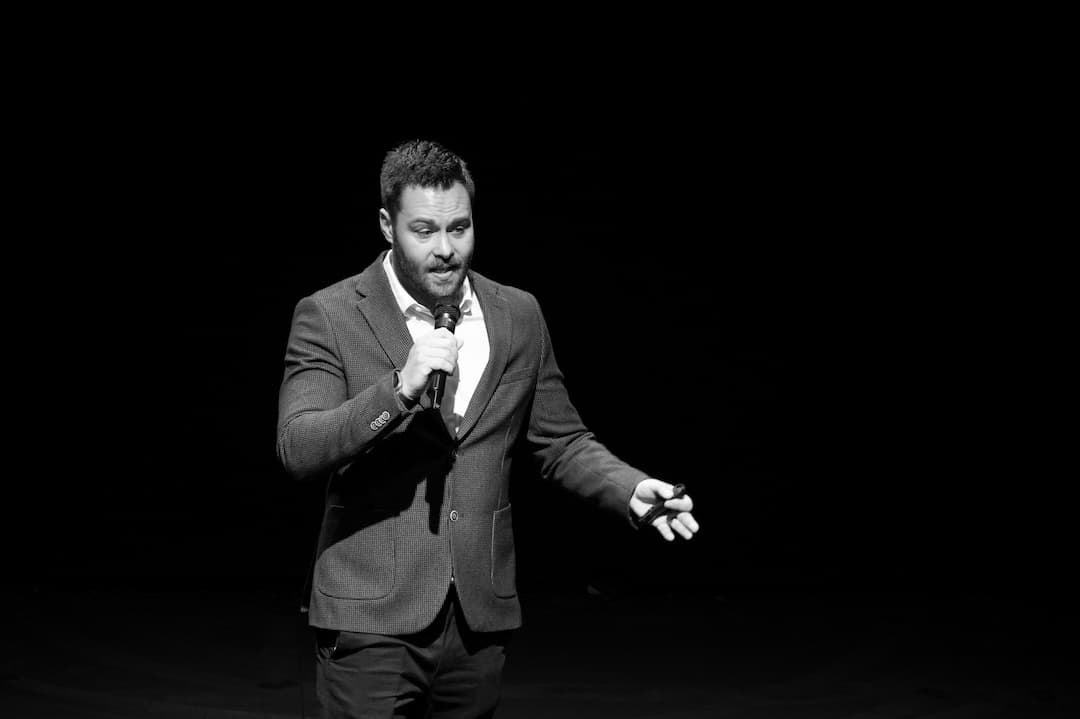
One assessment Ratcliffe conducted illustrates the point with particular clarity. A family was experiencing persistent respiratory problems in a home that appeared well maintained by any conventional standard. Monitoring revealed elevated humidity, poor air circulation, and high overnight CO₂ levels. Targeted improvements to ventilation and a rebalancing of the heating and insulation system brought conditions back into range, and symptoms began to ease. The home had not changed its appearance. It had changed its performance. That distinction is what his work exists to make legible.
PHD RESEARCH: WHERE SCIENCE MEETS THE BUILDING IN USE
Ratcliffe’s doctoral research addresses a specific and consequential gap in how building performance is currently understood. His focus is the thermal behaviour of traditional solid wall buildings, particularly how insulation choice, building orientation, and real-world conditions diverge from the simplified models on which many current standards are based. A central strand of the work involves comparing natural insulation materials such as sheep wool, hemp, and wood fibre with conventional synthetic alternatives, tested both in situ in live buildings and under controlled laboratory conditions to understand how thermal and moisture behaviour change over time.
The practical ambition behind this research is to provide measured, evidence-based data that supports more informed retrofit decisions and reduces the unintended consequences that follow when moisture risk is underestimated. He is conducting this work in collaboration with universities and NASA air quality scientists, a partnership that reflects both the interdisciplinary nature of indoor environmental quality and the seriousness with which the field is beginning to be taken beyond traditional building science circles. His forthcoming book, Invisible Home, is intended to make these findings accessible to a broader audience, including homeowners and policy makers who are not yet asking the questions his research is designed to answer.
STANDARDS THAT MEASURE WHAT ACTUALLY HAPPENS
Ratcliffe’s critique of existing residential standards is precise rather than polemical. Current frameworks, he argues, focus on design intent rather than real-world outcomes. A building can satisfy its regulatory requirements in full and still deliver indoor conditions that contribute to poor health once occupied, because the standards measure what was planned rather than what is performing. Health-based assessment models, by contrast, would measure indoor air quality, humidity, temperature stability, and the integrated behaviour of ventilation, insulation, and heating as they actually function in use.
There also needs to be greater recognition, he argues, of cumulative and long-term exposure rather than point-in-time assessments of individual risk factors. The conditions that affect health in residential settings rarely operate in isolation. It is the interaction of slightly elevated humidity, marginally insufficient ventilation, and materials emitting low-level compounds across months and years that produces the outcomes that are difficult to explain and easy to dismiss. Standards that cannot measure that interaction cannot protect against it.
THE DECADE AHEAD: HOMES AS HEALTH ENVIRONMENTS
Looking at the decade ahead, Ratcliffe anticipates a shift in how homes are fundamentally understood: from energy systems to be optimised to health environments to be carefully balanced. Energy efficiency and sustainability will remain essential, but the measure of a home’s quality will increasingly incorporate indoor air quality, moisture balance, and thermal stability as central rather than supplementary criteria. Tools like the Elemental Cube, a portable testing environment designed to assess how materials and building systems behave in real conditions, represent the direction of travel: in-use monitoring that bridges the persistent gap between design assumption and lived experience.
Public awareness is also shifting. People are beginning to connect how their home performs with how they feel, and to ask questions that the industry has not always been equipped to answer. Through Ask The Wellbeing Surveyor, his free public guidance platform, Ratcliffe is meeting that emerging curiosity directly, offering homeowners and renters the practical knowledge to identify what their homes may not be telling them and to take informed steps in response. The invisible home, in his hands, is becoming progressively less invisible. And as it does, the case for measuring residential quality by the health of its occupants, not just the efficiency of its systems, becomes harder to argue against.