The sun rose over the Persian Gulf this Wednesday to a world watching the horizon with bated breath. For the first time in six weeks, the Strait of Hormuz, the world’s most sensitive maritime chokepoint, was technically “open.” Yet, the reality on the water tells a story of profound caution.
Despite a fragile, two-week ceasefire announced between the United States and Iran, shipping traffic through the waterway remains at a near standstill. On a day that was supposed to signal a return to global energy stability, the Strait saw only a trickle of movement, highlighting the deep mistrust that remains after a month of devastating conflict.
A Quiet Reopening
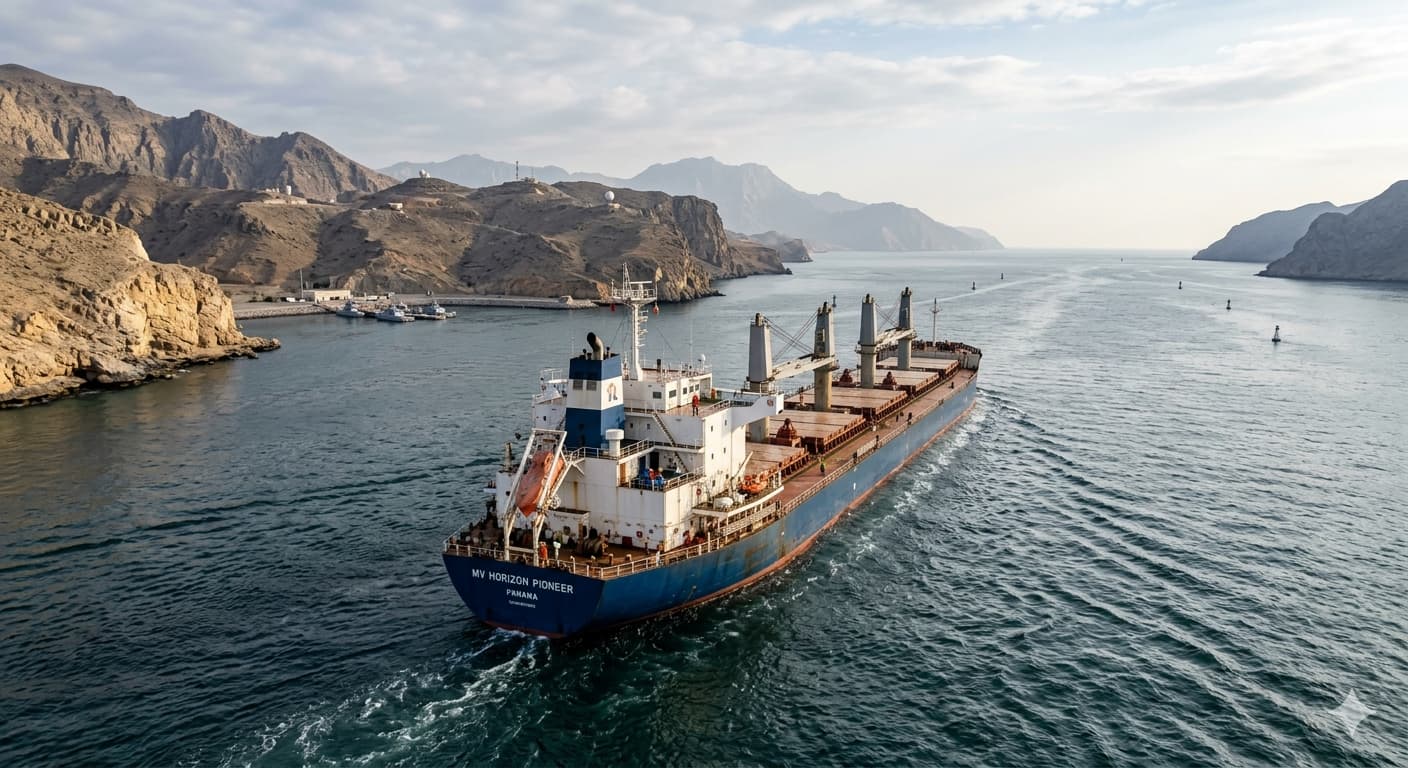
As of Wednesday afternoon, tracking data confirmed that at least two bulk carriers successfully navigated the passage. A third vessel was observed on a course to follow, marking the first commercial transits since the 2026 conflict began in late February.
To put this “reopening” into perspective, the Strait typically sees an average of 140 vessels daily. The presence of just three ships signifies that while the gates are unlocked, the world’s shipping giants are not yet ready to walk through.
The terms of the engagement are historically unique and fraught with tension. Iranian Foreign Minister Abbas Araghchi clarified the “new normal” in a post on X (formerly Twitter):
“For a period of two weeks, safe passage through the Strait of Hormuz will be possible via coordination with Iran’s Armed Forces and with due consideration of technical limitations.”
The “Coordination” Hurdle
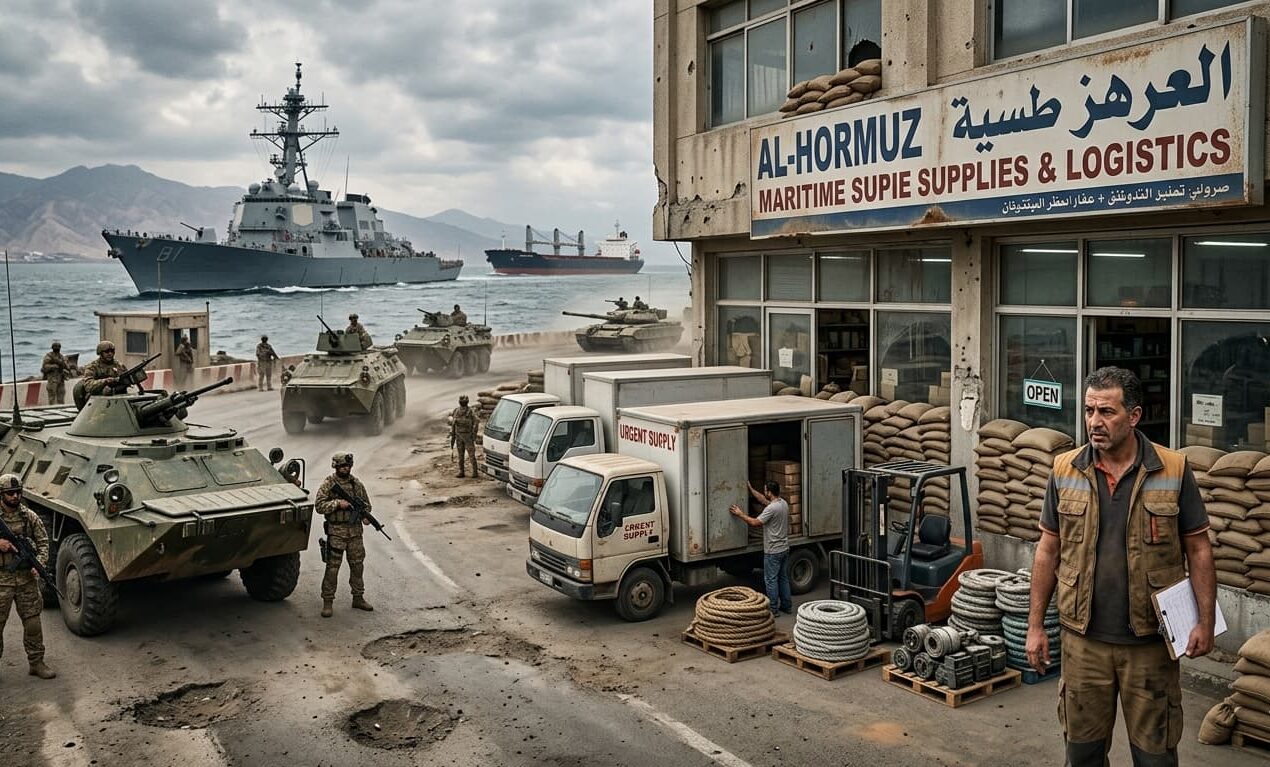
The requirement for “coordination with Iran’s Armed Forces” is the primary source of the current maritime paralysis. For Western shipping companies, this is a bitter pill to swallow. After weeks of high-intensity strikes involving the U.S. and Israel against Iranian assets—including mine-laying vessels and naval facilities—maritime insurers are hesitant to greenlight routes that require direct cooperation with the Islamic Revolutionary Guard Corps (IRGC).
Major players like Mitsui O.S.K. Lines (MOL) and Maersk have indicated they are awaiting further safety guarantees before resuming regular service. The “technical limitations” mentioned by Araghchi are also a euphemism for the hazardous reality of the water itself. There are widespread reports of unmapped sea mines, and Iran has mandated that ships follow specific, Iranian-designated “safe routes” close to its northern coastline to allow for closer monitoring.
The Geopolitical Stakes
The ceasefire, brokered by Pakistan and announced by U.S. President Donald Trump on Truth Social, came just as global energy markets were reaching a breaking point. Since the blockade began, the price of oil has surged, and nearly 2,000 ships—including tankers carrying one-fifth of the world’s oil and gas—have been stranded in the Persian Gulf.
For President Trump, the reopening of the Strait is a non-negotiable condition of the truce. He has signaled a willingness to ease some sanctions and unfreeze Iranian assets in exchange for the “complete, immediate, and safe opening” of the waterway. However, the current “coordination-based” passage suggests that Iran is leveraging its control over the chokepoint as a bargaining chip for the permanent peace negotiations scheduled to take place in Islamabad this weekend.
Economic and Human Costs
Behind the data of ship counts are approximately 20,000 seafarers who have been trapped aboard vessels in the Gulf for over a month. For them, the ceasefire is a lifeline, yet the slow pace of traffic means their evacuation or forward progress remains stalled.
Furthermore, the emergence of a “Tehran Toll Booth” has complicated the economics of the region. Reports from Lloyd’s List suggest that some operators have allegedly paid up to $1 million in fees or “tolls” (often requested in cryptocurrency) to ensure safe passage through Iranian-guarded channels during the height of the blockade. Whether these fees will persist under the “coordination” model remains a point of contention for international regulators.
The Two-Week Countdown
The current ceasefire is a temporary bridge, designed to last only 14 days. In this window, the world must transition from a state of war to a sustainable maritime framework.
- The Iranian Position: Tehran maintains that the Strait was never closed to “friendly” nations (like China or Russia) and that the current restrictions are a necessary security measure against “hostile” interference.
- The U.S. Position: Washington demands a return to the UN Convention on the Law of the Sea (UNCLOS), which guarantees “transit passage” through international straits without interference.